Media Coverage

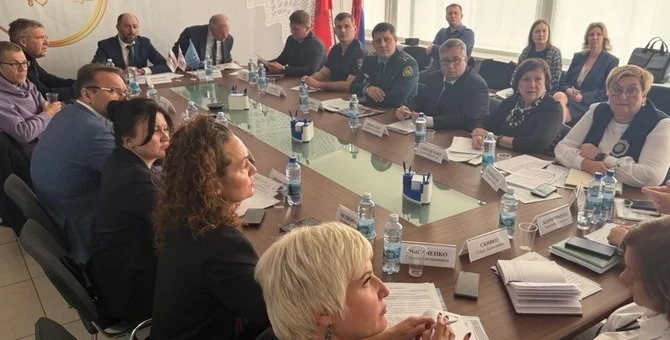
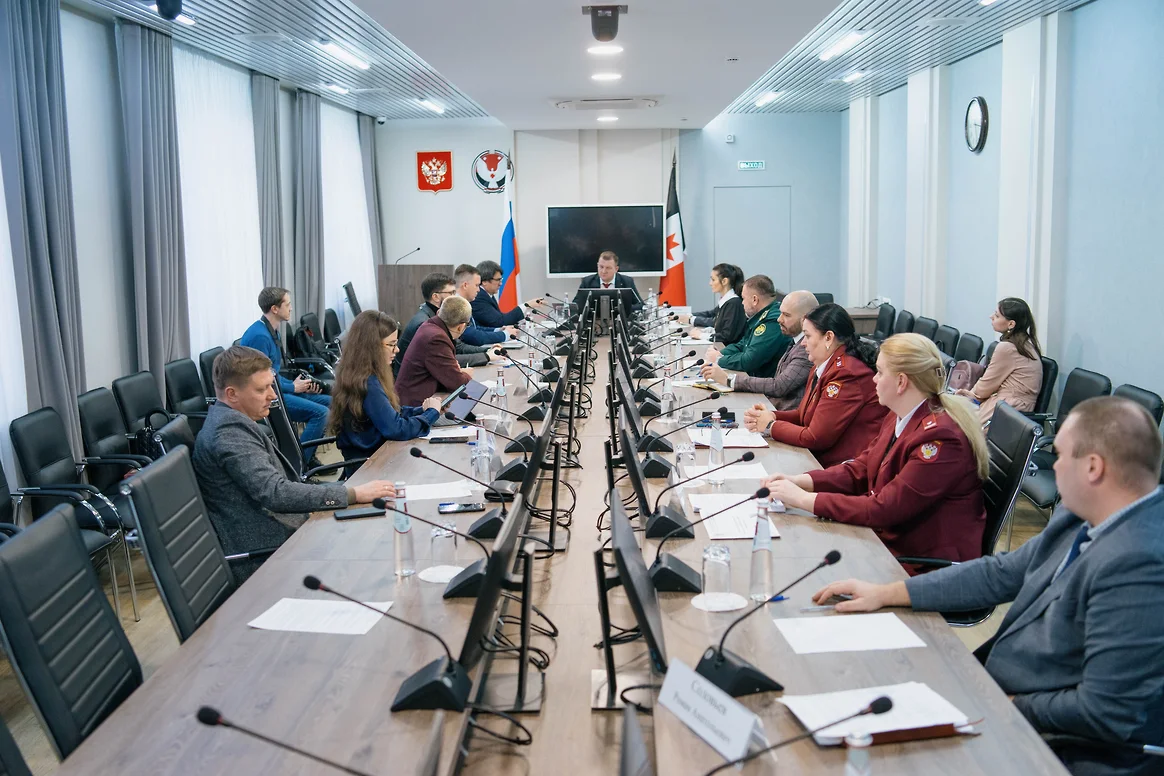
At a Ъ-Kavkaz roundtable, participants discussed ways to combat the illegal tobacco market in the North Caucasus Federal District (NCFD).
Representatives from the Chernozem region and industry experts discussed measures to combat the illegal tobacco trade.
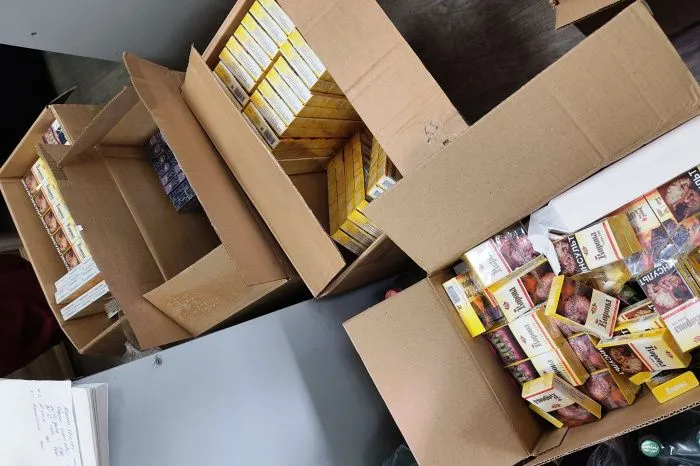
The Russian tobacco market has faced a new form of counterfeiting — so-called pseudo-sticks. Regular cigarettes are sold as products for tobacco heating systems. The reason is that excise taxes for them are calculated using different formulas, and the average levy per pack of sticks turns out to be one and a half times lower than per pack of cigarettes.
The share of the illegal market for tobacco and nicotine-containing products in Russia is declining thanks to the joint efforts of the state, business, and public institutions; to develop this trend, it is necessary to focus on law enforcement.
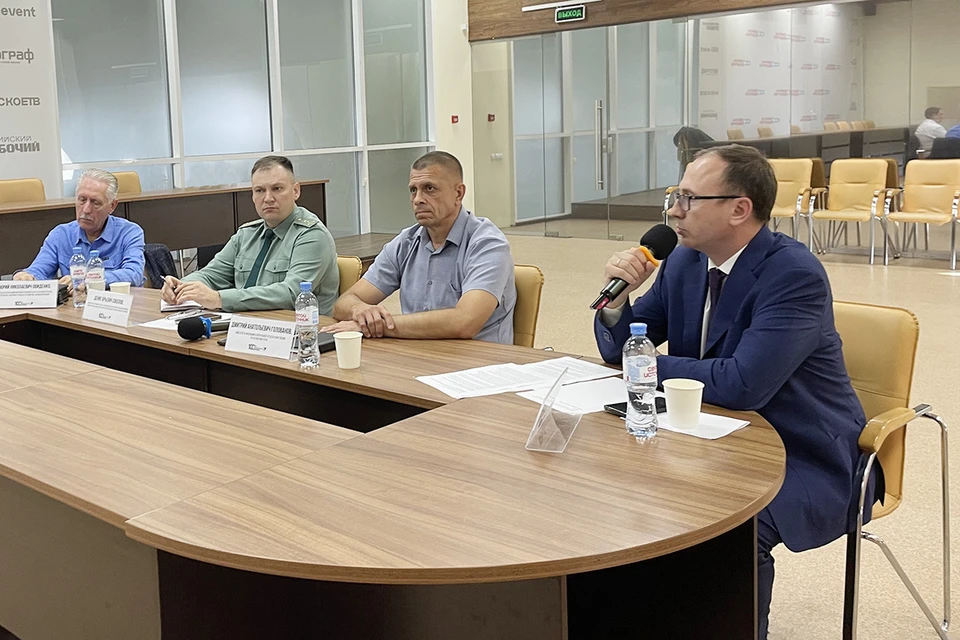
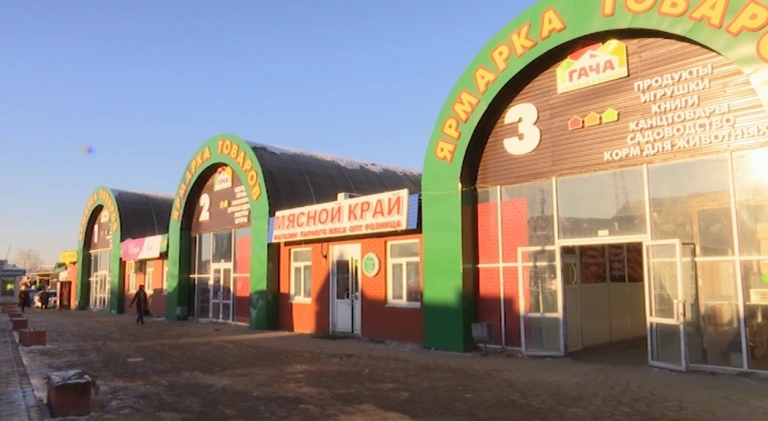
A decrease in the amount of counterfeit tobacco products has been recorded in Perm Krai. This was made possible by the liquidation of a large ethnic criminal group engaged in selling illegal tobacco at Gacha in central Perm. Denis Terskov, head of the Interregional Public Movement for Combating Counterfeit Products, reported this at a round table held at the RBC Perm venue.
According to a study completed in the fourth quarter of last year, the ANO NNTsK (National Scientific Center of Competencies in Combating the Illegal Turnover of Industrial Products) recorded the lowest level of illegal turnover of tobacco products in the south in recent years — 15.8 percent. This historic low also reflects nationwide trends. The study results became known during the online conference "The Potential of Regions in Combating Illegal Excise Products."
Due to the sale of illegal cigarettes in the South and the North Caucasus, the federal budget fell short by 10.5 billion rubles in the first six months of 2024, while North Ossetia and Stavropol Krai ranked first and fifth in the country in the amount of seized tobacco products. Against the backdrop of a long fight against counterfeiting, legislative initiatives are being discussed at the federal level that, experts fear, could cause the shadow segment of the market to grow. The Ministry of Health proposes banning the sale of cigarettes to everyone born after December 31, 2009.
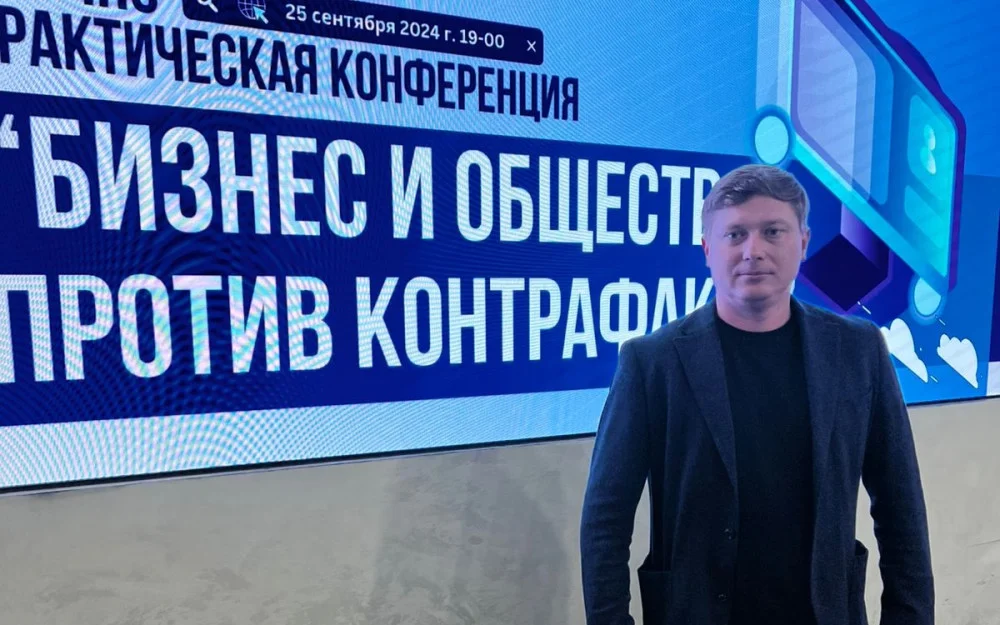
Denis Terskov, member of the Public Chamber Commission on Economics, Entrepreneurship and Labor Issues and chairman of the interregional movement for combating counterfeit products, took part in the "Business and Society Against Counterfeiting" conference.
In the first half of the year, the share of illegal tobacco products in Rostov Region decreased by almost 7%. This was facilitated by the launch of the national product labeling and traceability system "Chestny Znak" ("Honest Sign") and the strengthening of the work of supervisory authorities in the region.
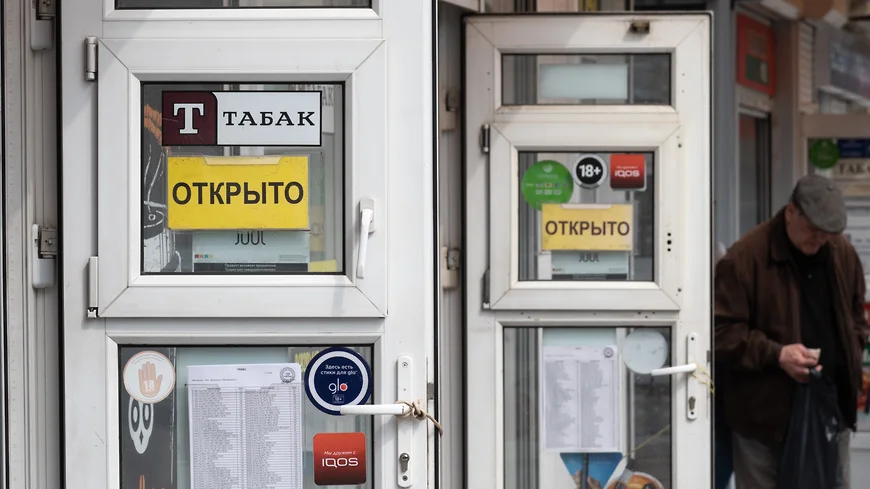
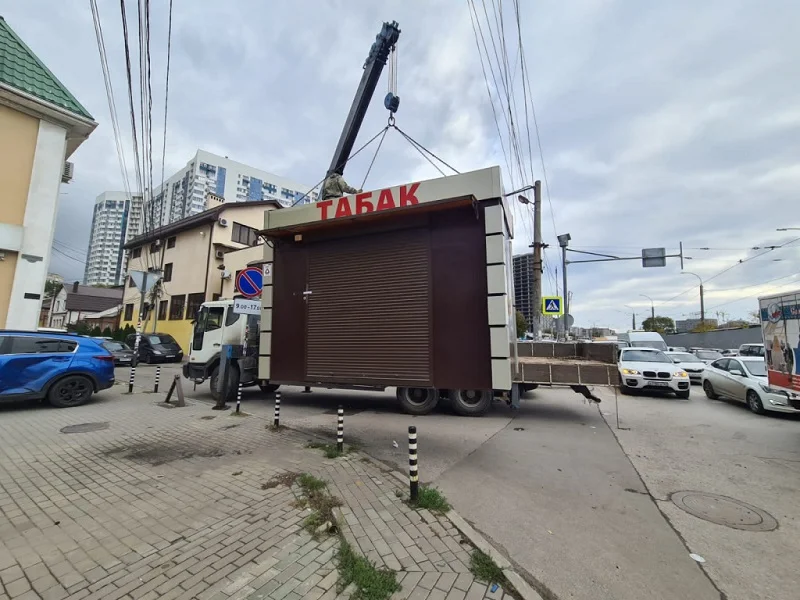
The Lipetsk authorities are ready to ban tobacco sales in kiosks. In Lipetsk Oblast, courts have begun considering cases on banning the sale of tobacco products at non-stationary retail outlets. According to the authorities, this will help reduce the turnover of counterfeit cigarettes.
The decrease in the share of illegal tobacco products in the market in Rostov Region is happening thanks to the intervention of federal inspection agencies and law enforcement. Denis Terskov, head of the Interregional Public Movement for Combating Counterfeit Products, expressed this opinion. 
Despite stronger measures to combat the illegal turnover of tobacco, the share of "bad" cigarettes and nicotine-containing products in the domestic market continues to grow. The anti-leaders of this process are the North Caucasian and Southern federal districts. And it is the North Caucasian Federal District that has the most regions with the highest concentration of illegal tobacco and insufficient measures to detect it.
The illegal cigarette market is growing at an unprecedented pace, creating numerous social and economic threats. According to expert estimates, the federal budget lost at least 100 billion rubles last year. If no measures are taken, the state's losses will only grow. The situation in Udmurtia is better than the national average, but it remains tense. Experts discussed what steps need to be taken to reduce the share of illegal tobacco products in the republic at a round table organized by the Udmurtia Chamber of Commerce and Industry.
The volume of the illegal tobacco market in Sverdlovsk Oblast is 7.3%, up 1.4% compared with last year's figure. This indicator is lower than the national average (12.1%). Experts believe that supervisory and law enforcement agencies are managing to contain significant growth in counterfeiting; however, the situation cannot yet be called positive. Inspectors and security agencies report problems in detecting and suppressing crimes related to the shadow tobacco market. How these problems can be solved was discussed by authorities, experts, and tobacco market participants during the online conference held by Kommersant-Ural Publishing House.
Over the past year, the South saw significant growth in the illegal turnover of tobacco. Experts believe that the inevitability of criminal liability, the harmonization of excise taxes with EAEU countries, the introduction of digital labeling for all nicotine-containing products, and other measures will make it possible to stop the growth of illegal turnover and, in the long run, significantly reduce it.
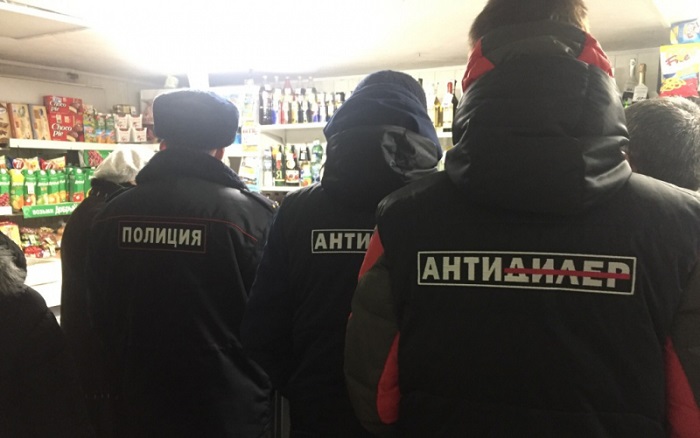
Introducing unified tobacco excise taxes throughout the EAEU, as well as a digital excise stamp that cannot be forged, would help the fight against illegal tobacco, said Denis Terskov, head of the All-Russian public movement "Antidiler," in an interview with Expert Yug.
In southern Russia, the share of contraband and counterfeit cigarettes remains high despite the efforts of federal and regional authorities and activists, inspections by regulatory agencies, and tougher legislation. The situation in Rostov Region, where the share of illegal tobacco products exceeds 37%, is the most telling.
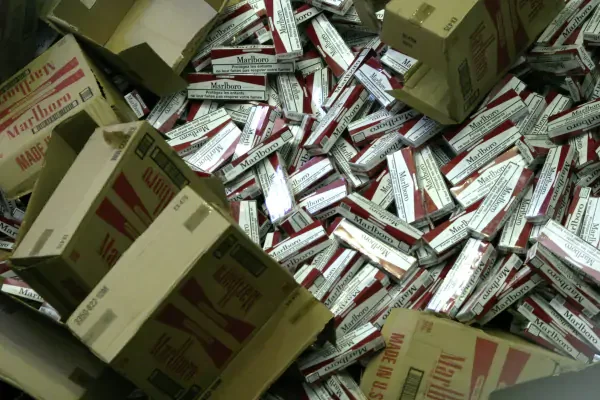
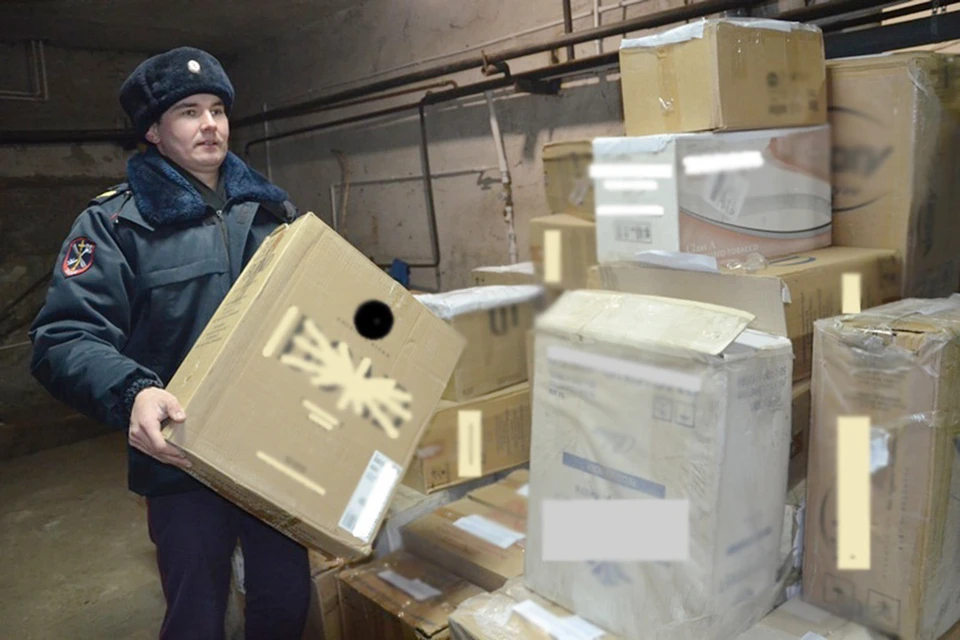
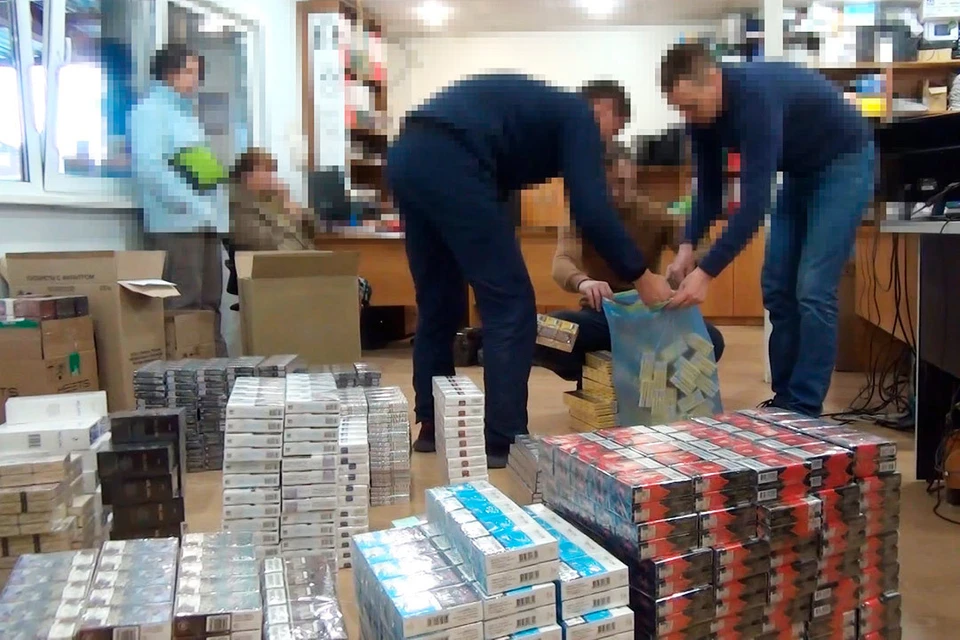
In just the incomplete year of 2021, the customs service in the Central Federal District seized 2.5 million packs of illegal cigarettes. This is 20% of the total volume of confiscated tobacco products. The work is being carried out effectively, warehouses are crammed with confiscated goods, but at the same time the share of the illegal market is also growing.
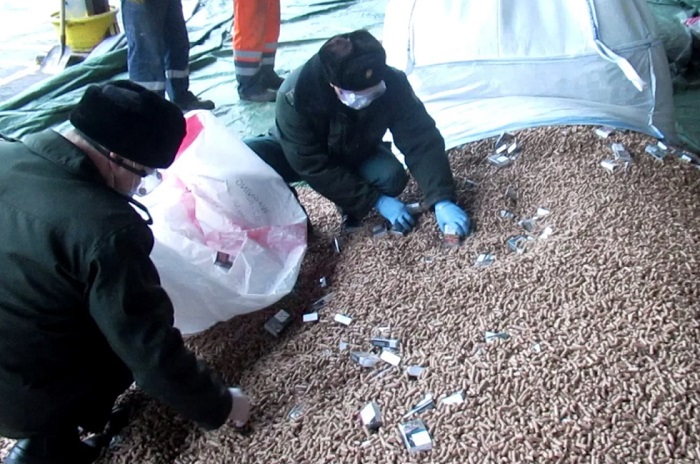
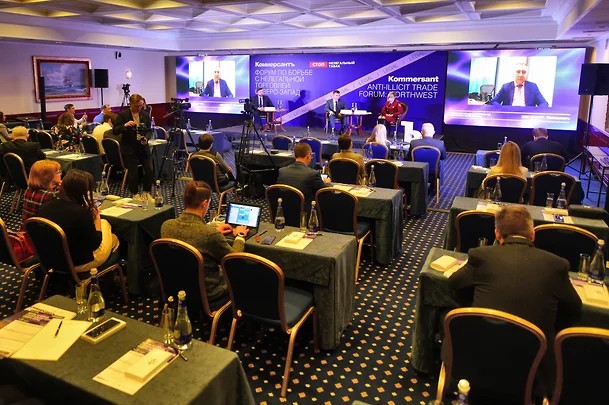
The easing of coronavirus restrictions at the border with the countries of the Eurasian Economic Union has led to an increase in the supply of counterfeits to Russia. Illegal tobacco, children's toys, clothing, footwear, and other products enter the local market from there. To effectively combat shadow supplies, it is necessary to tighten regulation, expand cooperation between business and regulatory agencies, and extend digital labeling to new industries. The participants of the forum on combating illegal trade in the Northwest, organized by Kommersant Publishing House in St. Petersburg, came to this conclusion.

On September 21, Rossiyskaya Gazeta hosted a press briefing, "The Turnover of Illegal Cigarettes in the Central Region: Sources of the Problem and Solutions — the Customs Service's Position," with the participation of representatives of the Central Customs Administration (CTU), the Association of Small-Format Trade (AMT), the "Stop Illegal Tobacco" portal, and the public movement "Antidiler."
Illegal cigarettes — contraband and counterfeits — have been causing heavy damage to the Russian economy for several years. Annual budget losses from their turnover exceed the annual budget of many Russian regions. In Moscow, this problem is of particular importance, since the country's largest tobacco market is located here, and its shadow segment numbers millions of "gray" packs. Representatives of the State Duma, Moscow offices of law enforcement and supervisory agencies, tobacco companies, and public organizations gathered on March 3 at a round table on the topic "The Turnover of Illegal Cigarettes in the Moscow Region and Ways to Counteract It" to discuss solutions to this problem.